20 Ecommerce-SEO-Tipps zur Verbesserung Ihrer Rankings
20 umsetzbare Ecommerce-SEO-Tipps nach Kategorie geordnet, mit Implementierungsschritten, erwarteter Wirkung und Schwierigkeitsbewertungen. Dinge, die Sie diese Woche umsetzen konnen.
So nutzen Sie diese Tipps
Wir haben diese 20 Ecommerce-SEO-Tipps aus Mustern zusammengestellt, die wir bei Hunderten von Shop-Audits beobachten. Jeder Tipp enthalt die erwartete Wirkung (hoch, mittel oder niedrig), den Schwierigkeitsgrad (einfach, moderat oder schwer) und klare Schritte, damit Sie sie diese Woche umsetzen konnen.
Nicht jeder Tipp passt zu jedem Shop. Ein Shopify-Shop und ein Magento-Shop stehen vor unterschiedlichen technischen Gegebenheiten. Lesen Sie die Liste durch, identifizieren Sie die Tipps, die zu Ihrer Situation passen, und beginnen Sie mit denen, die hohe Wirkung mit geringem Aufwand verbinden. Diese schnellen Erfolge schaffen Dynamik und zeigen oft innerhalb von Wochen statt Monaten Ergebnisse.
Wir haben die Tipps in vier Kategorien geordnet: technische SEO, On-Page-Optimierung, Content und Off-Page. Beginnen Sie mit technischen Korrekturen. Wenn Ihr Fundament Probleme hat, werden On-Page- und Content-Arbeit unterdurchschnittlich abschneiden. Fur eine strukturierte Moglichkeit, Ihren Fortschritt zu verfolgen, laden Sie unsere Ecommerce-SEO-Checkliste herunter.
Technische SEO-Tipps
Tipp 1: Komprimieren und konvertieren Sie Ihre Produktbilder. Wirkung: hoch. Schwierigkeit: einfach. Die meisten Ecommerce-Shops liefern Produktbilder aus, die 2- bis 5-mal grosser sind als notig. Lassen Sie Ihre Bilder durch ein Tool wie ShortPixel oder Squoosh laufen, um sie zu komprimieren, und konvertieren Sie sie ins WebP-Format. Fur einen Shop mit 3.000 Produkten kann dies das gesamte Seitengewicht um 40 bis 60 % reduzieren und den Largest Contentful Paint um 1 bis 2 Sekunden verbessern. Bei Shopify verwenden Sie eine Bildoptimierungs-App. Bei Magento konfigurieren Sie die integrierte Bildoptimierung oder nutzen ein CDN mit automatischer Formatkonvertierung.
Tipp 2: Reparieren Sie Ihre XML-Sitemap. Wirkung: hoch. Schwierigkeit: einfach. Prufen Sie Ihre Sitemap jetzt unter ihredomain.com/sitemap.xml. Entfernen Sie URLs, die 404-Fehler, 301-Weiterleitungen zuruckgeben oder noindex-Tags haben. Teilen Sie Sitemaps mit mehr als 10.000 URLs in separate Dateien nach Inhaltstyp auf (products.xml, categories.xml, blog.xml). Reichen Sie die aktualisierten Sitemaps in der Google Search Console ein. Wir haben gesehen, dass sich die Indexierung allein durch Sitemap-Bereinigung um 15 bis 30 % verbessert hat.
Tipp 3: Implementieren Sie Lazy Loading fur Bilder unterhalb des sichtbaren Bereichs. Wirkung: mittel. Schwierigkeit: einfach. Produktlistenseiten zeigen oft 20 bis 60 Produktbilder an. Alle gleichzeitig zu laden verlangsamt die Seite dramatisch. Fugen Sie loading='lazy' zu Bildern unterhalb des sichtbaren Bereichs hinzu. Die meisten modernen Themes unterstutzen dies nativ, aber uberprufen Sie Ihre Implementierung mit dem Netzwerk-Tab der Chrome DevTools. Das erste Bild (im sichtbaren Bereich) sollte NICHT lazy geladen werden. Geschwindigkeit ist eines von vielen technischen Themen, die in unserem Technische SEO fur Ecommerce-Leitfaden behandelt werden.
Tipp 4: Prufen und reduzieren Sie Drittanbieter-Skripte. Wirkung: hoch. Schwierigkeit: moderat. Offnen Sie die Entwicklertools Ihres Browsers und zahlen Sie die Anzahl der Drittanbieter-Skripte, die auf Ihren Seiten geladen werden. Wir finden haufig 15 bis 25 Skripte von Apps, Analyse-Tools, Chat-Widgets und Tracking-Pixeln. Jedes einzelne tragt zur Ladezeit bei und konkurriert um Browser-Ressourcen. Entfernen Sie Skripte von Apps, die Sie nicht mehr verwenden. Konsolidieren Sie Analysen, wo moglich. Verschieben Sie nicht essentielle Skripte, damit sie nach dem Seiteninhalt geladen werden. Ein Modeshop, mit dem wir gearbeitet haben, entfernte 9 ungenutzte App-Skripte und reduzierte die Ladezeit von 6,2 Sekunden auf 3,1 Sekunden.
Tipp 5: Fugen Sie selbstreferenzierende Canonical-Tags zu allen Seiten hinzu. Wirkung: hoch. Schwierigkeit: moderat. Jede indexierbare Seite Ihres Shops sollte ein Canonical-Tag haben, das auf sich selbst verweist. Dies teilt Google die bevorzugte URL fur diesen Inhalt mit und verhindert Probleme mit doppelten Inhalten durch URL-Parameter, Tracking-Codes und Filterkombinationen. Prufen Sie eine Stichprobe Ihrer Produkt-, Kategorie- und Blog-Seiten. Wenn die Canonical-Tags fehlen oder auf die falschen URLs verweisen, sollte die Behebung oberste Prioritat haben. Bei Shopify prufen Sie, ob Ihr Theme das Canonical-Tag im Head-Bereich enthalt. Bei Magento uberprufen Sie die Canonical-Einstellungen unter Stores > Configuration > Catalog > Search Engine Optimization.
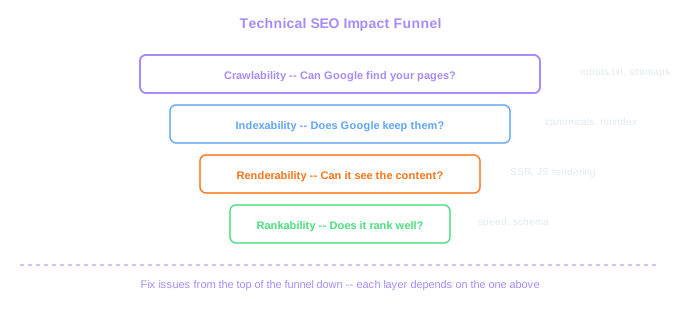
Image Impact
Image compression is the single biggest speed win for most ecommerce stores. Converting to WebP and proper sizing can reduce total page weight by 40-60% and improve LCP by 1-2 seconds -- often achievable in a single afternoon.
Tipps zur On-Page-Optimierung
Tipp 6: Schreiben Sie die Title-Tags Ihrer Kategorieseiten um. Wirkung: hoch. Schwierigkeit: einfach. Ziehen Sie eine Liste aller Title-Tags Ihrer Kategorieseiten (Screaming Frog macht das schnell). Suchen Sie nach Titeln, die zu allgemein sind ('Produkte - Shop-Name'), zu lang (uber 60 Zeichen) oder ohne Ziel-Keywords. Schreiben Sie jeden so um, dass er dem Muster folgt: [Primares Keyword] | [Shop-Name]. Zum Beispiel: 'Bio-Hundefutter | PetCo Supply.' Diese einzelne Anderung kann die Klickrate aus den Suchergebnissen um 10 bis 25 % verbessern.
Tipp 7: Fugen Sie beschreibenden Inhalt zu leeren Kategorieseiten hinzu. Wirkung: hoch. Schwierigkeit: moderat. Wenn Ihre Kategorieseiten ausser dem Produktraster keinen Textinhalt haben, verpassen Sie eine wichtige Ranking-Moglichkeit. Fugen Sie 200 bis 400 Worter relevanten, keyword-reichen Inhalt hinzu. Platzieren Sie eine kurze Einfuhrung (50 bis 100 Worter) uber den Produkten und einen langeren Abschnitt darunter. Beschreiben Sie, was die Kategorie umfasst, fur wen die Produkte sind und was Ihre Auswahl sehenswert macht. Wir haben 35 Seiten eines Einrichtungsgeschafts mit Kategorie-Inhalten versehen und die durchschnittlichen Rankings dieser Seiten innerhalb von zwei Monaten um 8 Positionen verbessert.
Tipp 8: Optimieren Sie die Title-Tags Ihrer Produktseiten mit einer konsistenten Vorlage. Wirkung: mittel. Schwierigkeit: einfach. Title-Tags von Produktseiten sollten einem vorhersehbaren Muster folgen, das den Produktnamen und ein wichtiges Unterscheidungsmerkmal enthalt. Vorlage: [Produktname] - [Hauptmerkmal] | [Marke]. Vermeiden Sie Keyword-Stuffing. Halten Sie Titel unter 60 Zeichen. Wenn Sie das Vorlagensystem Ihrer Plattform nutzen, konnen Sie Hunderte von Titeln auf einmal aktualisieren.
Tipp 9: Schreiben Sie einzigartige Meta-Beschreibungen fur Ihre Top-50-Seiten. Wirkung: mittel. Schwierigkeit: moderat. Prufen Sie, wie viele Ihrer Seiten doppelte oder fehlende Meta-Beschreibungen haben. Priorisieren Sie Ihre Top-50-Seiten nach Traffic oder Umsatz. Schreiben Sie einzigartige Beschreibungen von 150 bis 160 Zeichen, die das Ziel-Keyword und ein klares Wertversprechen enthalten. Fugen Sie einen Call-to-Action wie 'Jetzt kaufen' oder 'Kostenloser Versand verfugbar' hinzu. Google verwendet nicht immer Ihre Meta-Beschreibung, aber wenn doch, kann eine gut geschriebene die Klicks um 5 bis 15 % steigern. Lassen Sie Ihre Seiten durch unser Meta-Tag-Analyse-Tool laufen, um Lucken schnell zu erkennen.
Tipp 10: Fugen Sie Alt-Text zu allen Produktbildern hinzu. Wirkung: mittel. Schwierigkeit: einfach. Alt-Text hilft Suchmaschinen, Ihre Bilder zu verstehen und verbessert die Barrierefreiheit. Fuhren Sie einen Crawl durch, um Bilder ohne Alt-Text zu finden. Verwenden Sie fur Produktbilder beschreibenden Alt-Text, der den Produktnamen und wichtige Attribute enthalt: 'Wasserdichter Herren-Wanderstiefel aus braunem Leder, Seitenansicht.' Vermeiden Sie Keyword-Stuffing. Wenn Sie Tausende von Bildern ohne Alt-Text haben, beginnen Sie mit Ihren meistverkauften Produkten und arbeiten Sie systematisch durch den Katalog.
Weitere On-Page-Gewinne
Tipp 11: Implementieren Sie Breadcrumb-Navigation mit strukturierten Daten. Wirkung: mittel. Schwierigkeit: moderat. Breadcrumbs zeigen Nutzern und Suchmaschinen die Seitenhierarchie (Startseite > Herrenkleidung > Jacken > Regenjacken). Fugen Sie BreadcrumbList-Schema-Markup hinzu, damit sie fur die Anzeige in den Suchergebnissen berechtigt sind. Breadcrumbs verbessern die interne Verlinkung, helfen bei der Navigation und erzeugen Rich Results, die die Klickrate erhohen. Die meisten Ecommerce-Themes unterstutzen Breadcrumbs, aber viele enthalten nicht das Schema-Markup.
Tipp 12: Reparieren oder leiten Sie defekte interne Links um. Wirkung: mittel. Schwierigkeit: einfach. Crawlen Sie Ihre Website und identifizieren Sie alle internen Links, die zu 404-Seiten fuhren. Diese sammeln sich oft an, wenn Produkte eingestellt und Seiten entfernt werden. Aktualisieren Sie die Links entweder, damit sie auf die richtigen URLs verweisen, oder richten Sie 301-Weiterleitungen von den alten URLs zu relevanten Alternativen ein. Ein Sportgeschafte-Shop, den wir gepruft haben, hatte 847 defekte interne Links auf 4.200 Seiten. Die Behebung verbesserte ihre Crawl-Effizienz und verhinderte, dass Nutzer in Sackgassen landeten.
Tipp 13: Fugen Sie FAQ-Bereiche zu Ihren wichtigsten Kategorieseiten hinzu. Wirkung: hoch. Schwierigkeit: moderat. Identifizieren Sie die 10 bis 15 wichtigsten Kategorieseiten Ihres Shops. Recherchieren Sie haufige Fragen, die Kaufer zu diesen Produktkategorien stellen (Googles 'Ahnliche Fragen'-Box ist eine grossartige Quelle). Fugen Sie jeder Seite 4 bis 6 FAQs mit klaren, hilfreichen Antworten hinzu. Implementieren Sie FAQ-Schema-Markup, damit Google sie als Rich Results anzeigen kann. Wir haben gesehen, dass diese Taktik den organischen Traffic auf Kategorieseiten innerhalb von drei Monaten um 20 bis 40 % steigert.
Tipp 14: Optimieren Sie Ihre URL-Struktur. Wirkung: mittel. Schwierigkeit: schwer. Saubere URLs sind sowohl fur Nutzer als auch fur Suchmaschinen leichter zu lesen. Ideale Kategorie-URLs sehen so aus: /herren-laufschuhe, nicht /category/id/345. Ideale Produkt-URLs sehen so aus: /nike-pegasus-trail-4, nicht /product?id=78234. Wenn Ihre aktuellen URLs unubersichtlich sind, erfordert die Anderung eine sorgfaltige Weiterleitungsplanung, um bestehende Rankings nicht zu verlieren. Dies lohnt sich, aber planen Sie sorgfaltig und implementieren Sie 301-Weiterleitungen fur jede geanderte URL.
Content-Tipps
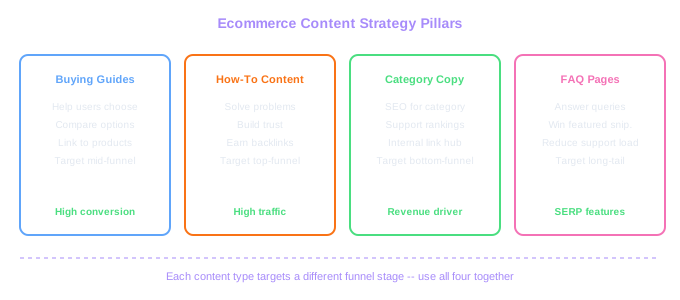
Tipp 15: Erstellen Sie einen Kaufleitfaden fur Ihre wichtigste Produktkategorie. Wirkung: hoch. Schwierigkeit: moderat. Identifizieren Sie Ihre umsatzstarkste Produktkategorie. Schreiben Sie einen 1.500 bis 2.500 Worter umfassenden Leitfaden, der Kaufern bei der Entscheidungsfindung hilft. Behandeln Sie, worauf man achten sollte, wie man Optionen vergleicht, haufige Fehler und Ihre spezifischen Empfehlungen. Verlinken Sie im gesamten Leitfaden auf relevante Produkte und Kategorieseiten. Kaufleitfaden zielen auf hochvolumige informative Keywords ab, fur die Ihre Produktseiten nicht ranken konnen. Ein Tiernahrungsgeschaft, mit dem wir arbeiten, hat 8 Kaufleitfaden veroffentlicht, die jetzt 42.000 Dollar pro Monat an unterstutztem organischem Umsatz generieren.
Tipp 16: Schreiben Sie Ihre meistbesuchten Produktbeschreibungen um. Wirkung: mittel. Schwierigkeit: moderat. Identifizieren Sie Ihre 20 meistbesuchten Produktseiten aus Google Analytics. Prufen Sie, ob sie Herstellerbeschreibungen verwenden (denselben Text, den Hunderte anderer Shops nutzen) oder dunne Inhalte unter 100 Wortern haben. Schreiben Sie jede Beschreibung mit 150 bis 300 Wortern einzigartigem, kundenorientiertem Inhalt um. Beschreiben Sie die Vorteile des Produkts, fur wen es ist, wie es sich von Alternativen unterscheidet und beantworten Sie haufige Fragen. Das braucht Zeit, aber die Seiten mit dem meisten Traffic verdienen die meiste Aufmerksamkeit.
Tipp 17: Fugen Sie eine Vergleichsseite fur Ihre meistverkaufte Kategorie hinzu. Wirkung: mittel. Schwierigkeit: moderat. Kaufer suchen oft nach '[Produkt A] vs [Produkt B]'-Vergleichen. Erstellen Sie eine Seite, die Ihre Top-Produkte in einer bestimmten Kategorie mit einem ehrlichen, detaillierten Vergleich gegenuberstellte. Fugen Sie eine Tabelle mit Spezifikationen, Vor- und Nachteilen fur jede Option und Ihre Empfehlung fur verschiedene Anwendungsfalle hinzu. Diese Seiten ranken gut fur Vergleichs-Keywords und konvertieren besser als Standard-Produktseiten, weil sie Kaufern bei der Entscheidung helfen.
Tipp 18: Starten Sie einen Ressourcenbereich, der die Fragen Ihrer Kunden beantwortet. Wirkung: mittel. Schwierigkeit: einfach. Schauen Sie sich Ihre Kundensupport-Tickets und Bewertungen an. Welche Fragen stellen die Leute immer wieder? Verwandeln Sie die 10 haufigsten Fragen in kurze, hilfreiche Artikel. 'Wie Sie Ihre Ringgrosse zu Hause messen' oder 'Was ist der Unterschied zwischen Vollnarbenleder und Top-Grain-Leder' sind die Art von praktischem Inhalt, der gut rankt, naturlich Links anzieht und Vertrauen bei potenziellen Kaufern aufbaut.
Guide ROI
A pet food store published 8 buying guides that now generate $42,000 per month in assisted organic revenue. Buying guides target high-volume informational keywords that product pages cannot rank for.
Off-Page-Tipps
Tipp 19: Fordern Sie nicht verlinkte Markenerwohnungen zuruck. Wirkung: mittel. Schwierigkeit: einfach. Suchen Sie bei Google nach Ihrem Markennamen (in Anfuhrungszeichen) minus Ihrer eigenen Domain: '"Ihr Markenname" -site:ihredomain.com.' Durchsuchen Sie die Ergebnisse nach Erwohnungen Ihrer Marke auf anderen Websites, die keinen Link zuruck zu Ihrem Shop enthalten. Wenden Sie sich mit einer freundlichen E-Mail an diese Websitebetreiber und bitten Sie sie, einen Link hinzuzufugen. Die Konversionsrate bei diesen Anfragen liegt typischerweise bei 15 bis 30 %, weil die Person Sie bereits positiv erwohnt hat. Fur eine Marke mit irgendeiner Bekanntheit kann dies 5 bis 20 einfache Backlinks bringen.
Tipp 20: Bauen Sie Links von Ihren Lieferanten und Herstellern auf. Wirkung: mittel. Schwierigkeit: einfach. Wenn Sie ein autorisierter Handler fur Marken sind, die Sie verkaufen, prufen Sie, ob diese Marken eine 'Wo kaufen'- oder 'Autorisierte Handler'-Seite auf ihrer Website haben. Wenn ja, aber Sie nicht aufgefuhrt sind, bitten Sie darum, hinzugefugt zu werden. Wenn sie keine solche Seite haben, schlagen Sie es vor. Dies sind hochwertige, relevante Backlinks von autoritativen Domains in Ihrer Branche. Wir haben einem Fahrradausrustungsgeschaft geholfen, auf 11 Hersteller-Websites gelistet zu werden, was 11 starke Backlinks von Domains mit Autoritatswerten uber 50 ergab.
Priorisierungsrahmen fur diese Tipps
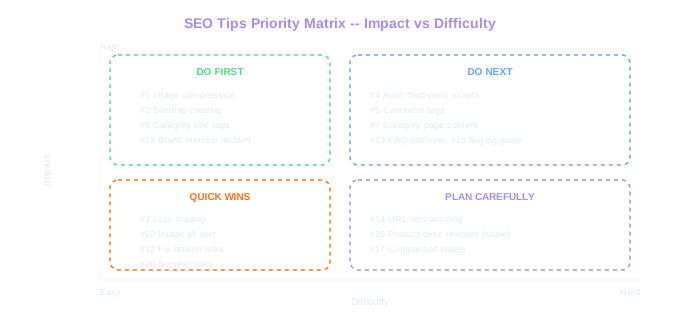
Sie haben jetzt 20 Tipps. Alle gleichzeitig umzusetzen ist nicht realistisch, besonders wenn Sie einen Shop betreiben und sich selbst um SEO kummern. So priorisieren Sie.
Beginnen Sie mit den Tipps, die kaputte Dinge reparieren: XML-Sitemap-Probleme (Tipp 2), defekte interne Links (Tipp 12) und Canonical-Tags (Tipp 5). Das sind Korrekturen, die Barrieren beseitigen. Alles andere, was Sie tun, funktioniert besser, wenn das Fundament sauber ist.
Tackeln Sie als Nachstes die wirkungsstarken, einfachen Gewinne: Bildkomprimierung (Tipp 1), Kategorie-Title-Tags (Tipp 6) und nicht verlinkte Markenerwohnungen (Tipp 19). Diese konnen in ein bis zwei Tagen abgeschlossen werden und zeigen oft innerhalb von Wochen Ergebnisse.
Dann widmen Sie sich den Massnahmen mit mittlerem Aufwand und hoher Wirkung: Kategorieseiten-Inhalte (Tipp 7), FAQ-Bereiche (Tipp 13) und Ihr erster Kaufleitfaden (Tipp 15). Diese erfordern mehr Zeit, haben aber das Potenzial, den organischen Traffic und Umsatz deutlich zu steigern.
Heben Sie sich die schwierigeren Punkte fur den Zeitpunkt auf, wenn Sie Schwung haben: URL-Umstrukturierung (Tipp 14), umfangreiche Umschreibungen von Produktbeschreibungen (Tipp 16) und vollstandige Skript-Audits (Tipp 4). Diese lohnen sich, erfordern aber mehr Planung und bergen mehr Risiko bei falscher Umsetzung.
Verfolgen Sie Ihren Fortschritt. Bevor Sie Anderungen implementieren, notieren Sie Ihre aktuellen Ausgangswerte: organischer Traffic, organischer Umsatz, Keyword-Rankings fur Ihre Zielbegriffe und Core Web Vitals-Werte. Messen Sie erneut nach 30, 60 und 90 Tagen nach der Implementierung. Diese Daten zeigen Ihnen, welche Tipps die grosste Wirkung fur Ihren spezifischen Shop hatten, und dieses Wissen leitet Ihre nachste Optimierungsrunde.
Wenn Tipps nicht ausreichen
Diese 20 Tipps werden fur die meisten Ecommerce-Shops etwas bewirken. Aber sie sind oberflachlich im Vergleich zu einer vollstandigen SEO-Strategie.
Wenn Ihr Shop tiefgreifende technische Probleme hat (Tausende von Indexierungsfehlern, massive Geschwindigkeitsprobleme, kaputte Seitenarchitektur), werden schnelle Tipps das nicht beheben. Sie brauchen ein ordentliches technisches Audit und moglicherweise Entwicklerressourcen, um die Ursachen zu beheben.
Wenn Sie in einer stark umkampften Nische sind (Mode, Elektronik, Nahrungserganzungsmittel), wird On-Page-Optimierung allein Sie nicht auf Seite eins bringen. Sie brauchen eine nachhaltige Content-Strategie, konsistenten Linkaufbau und wahrscheinlich ein grosseres Investment an Zeit und Geld.
Schnelle Erfolge sind ein Ausgangspunkt. Sie beweisen den Wert von SEO, generieren fruhe Ergebnisse und schaffen die Grundlage fur grossere Investitionen. Viele unserer Kunden begannen damit, Tipps wie diese selbst umzusetzen, sahen genug Verbesserung, um ein echtes Budget zu rechtfertigen, und beauftragten uns dann mit einer vollstandigen Strategie. Das ist ein vollig vernunftiger Weg. Sie konnen diese Tipps in Aktion sehen in unseren Kundenfallstudien und unsere empfohlenen SEO-Tools fur die Software erkunden, die die Implementierung erleichtert.
Der wichtigste Ecommerce-SEO-Rat, den wir geben konnen, ist dieser: Fangen Sie an. Unvollkommenes Handeln schlagt perfekte Planung. Wahlen Sie drei Tipps aus dieser Liste, setzen Sie sie diese Woche um und messen Sie die Ergebnisse. Dieser erste Schritt ist wichtiger als die perfekte Strategie auf dem Papier. Wenn Sie bereit sind, tiefer zu gehen, legt unser Ecommerce-SEO-Strategie-Leitfaden einen vollstandigen Fahrplan dar. Und wenn Tipps nicht ausreichen und Sie professionelle Umsetzung brauchen, erkunden Sie unsere Ecommerce-SEO-Dienstleistungen.