Revenue-First Keyword Research for Ecommerce Brands
Stop chasing vanity rankings. We find the exact search terms your buyers use - and build a keyword strategy that turns organic traffic into predictable, compounding revenue.
Our Keyword Research Track Record
Why Ecommerce Brands Choose Our Keyword Research
No generic keyword dumps. No recycled templates. A strategy built around your catalog, your margins, and your customers.
Revenue-Mapped Keywords
We don’t hand you a spreadsheet of 10,000 keywords. Every keyword we target is mapped to buyer intent, margin potential, and your actual product catalog.
Intent Classification
Every keyword gets classified by buyer intent stage - informational, commercial, or transactional. We prioritize the terms that put products in carts.
Competitive Gap Analysis
We pull your competitors’ entire keyword footprint, identify ranking gaps, and surface low-competition terms with high conversion potential.
AI Overview Targeting
We identify keywords where AI Overviews appear and optimize your content to be cited by Google’s AI, capturing traffic from the new search landscape.
LLM-Optimized Clusters
We group keywords into topic clusters designed for both traditional rankings and LLM-powered search, so your strategy holds up as search evolves.
Voice Search Ready
We include natural language and conversational queries in your keyword map, capturing the growing voice search market.
How We Build Your Keyword Strategy
No generic keyword dumps. No recycled templates. Here’s how we build a keyword strategy that compounds.
Revenue & Catalog Audit
We start with your P&L, not a keyword tool. We map your highest-margin categories, top SKUs, and current organic performance to identify where keyword improvements will drive the most profit.
Intent Classification & Clustering
Every keyword gets classified by buyer intent stage and grouped into topic clusters. We design your content architecture around how your customers actually search and buy.
Competitive Gap & Opportunity Mapping
We pull your competitors’ entire keyword footprint, identify ranking gaps, and surface low-competition terms with high conversion potential that they’re overlooking.
Prioritized Roadmap & Tracking
You get a scored, prioritized keyword roadmap with traffic estimates, revenue projections, and clear next steps. We track performance monthly and adjust targeting based on real data.
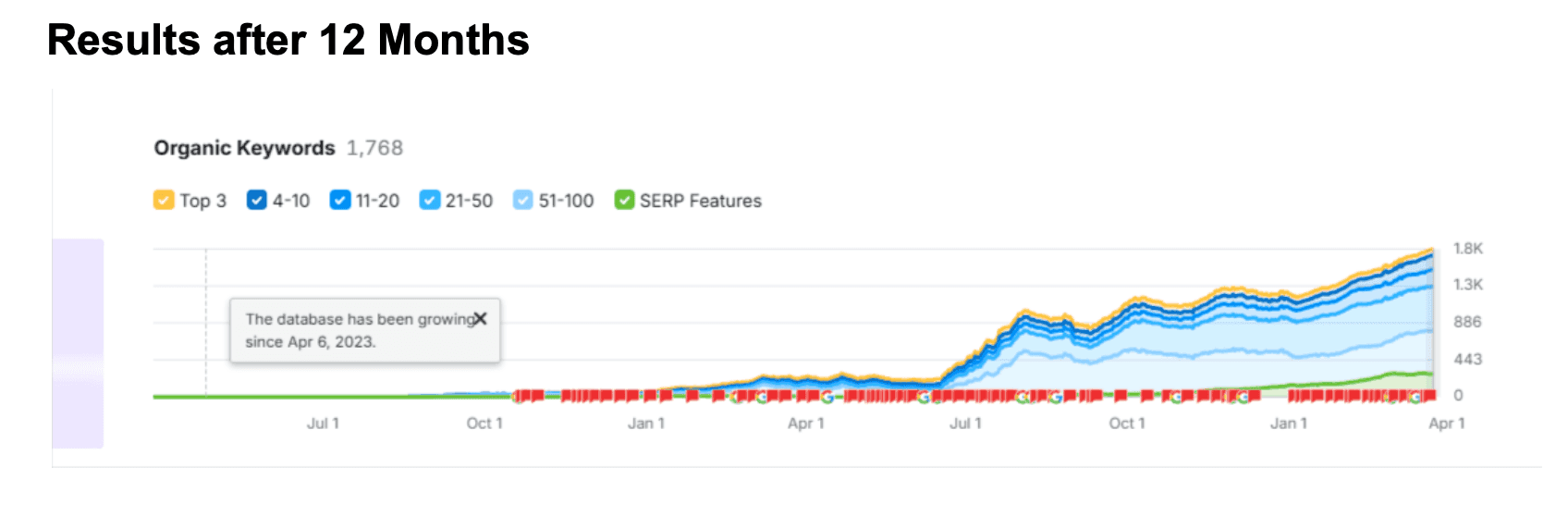
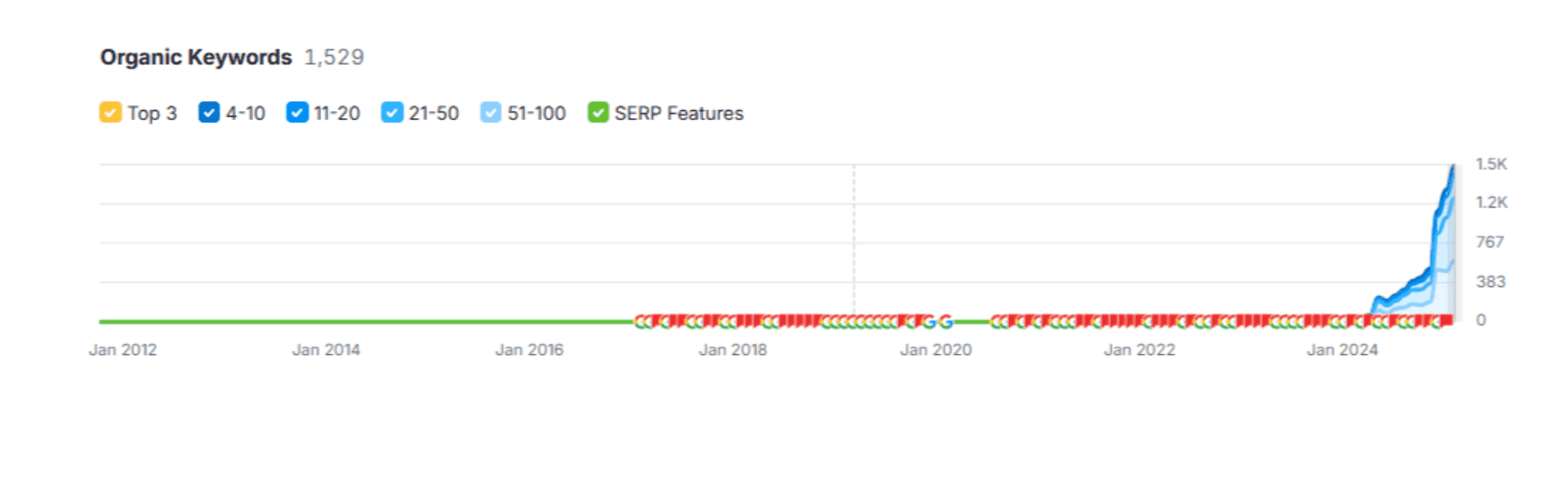
Client Results From Our Keyword Research
Two recent examples of how keyword strategy translates to revenue.
7 Keyword Research Tips From Our Team
After mapping 12,000+ keywords for ecommerce brands, these are the highest-impact strategies we recommend.
Most keyword research starts with a tool. Ours starts with your P&L. Identify your highest-margin products and categories first, then find the keywords buyers use to find them. A 500-volume keyword that converts at 5% is worth more than a 10,000-volume keyword that converts at 0.1%.
Keyword research guideKeyword Research for Ecommerce vs Informational Sites
Ecommerce keyword research requires a fundamentally different approach than content-driven or informational sites.
Why Ecommerce Keyword Research Is Different
Informational sites optimize for traffic volume. Ecommerce sites optimize for revenue. This means prioritizing commercial and transactional intent keywords that indicate a buyer is ready to purchase, mapping keywords to product and category pages rather than just blog posts, and accounting for product variations, seasonal trends, and inventory changes. A keyword strategy that works for a media site will fail for an online store.
The Revenue-First Approach
We start every keyword research engagement with your product catalog, margins, and conversion data. Keywords are scored not just by volume and difficulty, but by revenue potential. This ensures your SEO investment goes to the pages and terms that actually move the bottom line, not just the ones that look impressive in a report.
Why Your Store Needs Professional Keyword Research
Tools give you data. Strategy gives you results. Here’s why DIY keyword research often falls short for ecommerce.
What You Miss Without Expert Keyword Research
DIY keyword research typically focuses on high-volume head terms and misses the commercial intent keywords that actually drive purchases. Without proper intent classification, catalog mapping, and competitive gap analysis, you end up optimizing for traffic that doesn’t convert. Professional keyword research also accounts for keyword cannibalization, content architecture, and the evolving landscape of AI-powered search, factors that tools alone cannot address.
Who Does the Work




What You Get
Frequently Asked Questions
Tools give you data. We give you strategy. We classify every keyword by intent, map it to your catalog, and prioritize by revenue impact - not just search volume. Our ecommerce SEO keywords guide explains the methodology behind our approach.
Ready to Find the Keywords That Actually Drive Revenue?
If you’re serious about turning keyword research into a growth lever for your ecommerce brand, let’s talk.