Industry Playbooks
12 min readHome & Garden SEO Playbook
Home and garden ecommerce spans an enormous range of products, from furniture and lighting to power tools, planters, and outdoor living equipment. This breadth creates both opportunity and complexity for SEO. Shoppers in this vertical research heavily, compare dimensions and specifications against their physical spaces, and often search with project-oriented intent rather than product-specific queries. This playbook covers the SEO strategies that drive organic growth for home improvement, furniture, decor, and garden supply stores.
In this guide
- 1. Project-Based and Problem-Solving Keyword Strategy
- 2. Product Page Optimization for Furniture and Home Goods
- 3. Inspiration Content and Visual Discovery
- 4. Seasonal SEO Calendar for Home and Garden
- 5. Category Architecture for Large Home Catalogs
- 6. Link Building and Authority for Home and Garden Retailers
Project-Based and Problem-Solving Keyword Strategy
Home and garden shoppers frequently search with a project or problem in mind rather than a specific product. Queries like "how to organize a small kitchen," "best plants for shade garden," "bathroom renovation ideas on a budget," and "how to build a raised garden bed" reveal intent that is one or two steps removed from a purchase. Capturing this research-phase traffic and guiding it toward your products is the foundation of home and garden SEO.
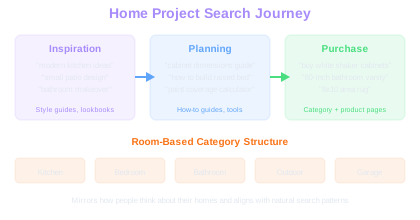
Build keyword clusters around common home improvement projects: kitchen renovation, bathroom remodel, patio design, garden landscaping, home office setup, closet organization. For each project, map the full search journey, from inspirational queries ("modern kitchen ideas") through planning queries ("kitchen cabinet dimensions guide") to purchase queries ("buy white shaker cabinets"). Your content strategy should address every stage.
Create room-by-room and space-by-space category structures. Shoppers often browse by room: living room, bedroom, bathroom, kitchen, outdoor, garage. This mirrors how people think about their homes and aligns with natural search patterns. Each room-based landing page should feature relevant product categories, project inspiration, and buying guides.
Target seasonal project keywords aggressively. "Spring garden preparation," "winter weatherproofing supplies," "summer patio furniture", these queries spike predictably each year. Have optimized content live and indexed well before the seasonal surge.
Do not ignore long-tail dimensional queries. Home and garden shoppers frequently search with specific measurements: "60-inch bathroom vanity," "8x10 area rug," "36-inch wide bookcase." Including exact dimensions in your product titles and category filters captures this high-intent traffic that generic titles miss entirely.
Dimension Queries
Home shoppers frequently search with exact measurements: "60-inch bathroom vanity," "8x10 area rug," "36-inch wide bookcase." Including exact dimensions in product titles captures high-intent traffic that generic titles miss entirely.
Product Page Optimization for Furniture and Home Goods
Home and garden product pages must overcome the fundamental challenge of online furniture and home goods shopping: customers cannot see, touch, or measure products in person. Every element of your product page should work to bridge this gap and provide the confidence shoppers need to buy.
Include comprehensive dimensional information in a structured, easy-to-read format. List overall dimensions (width, depth, height), interior/usable dimensions where relevant, weight, weight capacity, and clearance requirements. Present this data in both imperial and metric units if you serve international markets. Use crawlable HTML tables, not dimension images.
Write product descriptions that place items in context. Instead of just listing that a sofa is 84 inches wide, explain that it comfortably seats three adults and fits well in living rooms at least 12 feet wide. This contextual description answers the unspoken question every furniture shopper has: "Will this fit in my space?"
Provide material and construction details that differentiate your listings from marketplaces selling the same or similar items. Describe the wood species, finish type, upholstery fabric composition, cushion fill material, and assembly requirements. This level of detail creates unique content that search engines value and that shoppers need.
Implement Product schema with all relevant properties: name, brand, description, sku, gtin, image, offers (price, availability, priceCurrency), material, color, width, height, depth, and weight. Include aggregateRating and review data when available. The dimensional properties (width, height, depth) help Google understand your products at a granular level.
Use high-quality imagery from multiple angles plus in-room lifestyle photos. Include at least one image showing the product in a styled room setting to help shoppers visualize the item in their own home. Optimize all images with descriptive file names and alt text that includes the product name, material, color, and key dimensions.
Add a "Dimensions Guide" or "Will It Fit?" section to your furniture product pages with a simple visual showing the product's footprint relative to common room sizes. This section reduces returns, lowers bounce rates, and can rank for dimensional queries like "how big is a queen size bed" that drive top-of-funnel traffic.
Inspiration Content and Visual Discovery
Home and garden is one of the most visually driven ecommerce categories. Pinterest, Google Images, and Instagram are major discovery channels where shoppers find ideas before they know what specific products they want. A strong visual content strategy captures traffic at the earliest stage of the buyer journey.
Publish room makeover and project show content. Before-and-after transformations perform exceptionally well in both search and social. A post titled "Small Bathroom Makeover Under 1000 Dollars" attracts searches, earns backlinks from design blogs, and naturally features your products. Include a complete product list with links for every item visible in the photos.
Create style guide and trend content as part of your buying guides and comparisons strategy for each major room and outdoor space. "Modern farmhouse living room ideas," "Scandinavian bedroom design guide," "Mediterranean garden patio inspiration", these queries have substantial search volume and align perfectly with your product catalog. Each guide should include shoppable product recommendations.
Optimize every image for visual search discovery. Use descriptive file names (mid-century-modern-walnut-dining-table-styled.jpg), write detailed alt text, and implement ImageObject schema. Google Lens and Pinterest visual search can drive substantial traffic to home and garden stores when images are properly optimized.
Build a moodboard or room planner tool if your product range supports it. Interactive tools that let shoppers combine products in a virtual room setting generate engagement, earn backlinks from design publications, and create a reason for return visits. Even a simple gallery of curated room sets with product links serves this purpose.
Collaborate with interior designers and garden designers for expert-attributed content. Having a named professional provide design advice elevates your content's E-E-A-T signals and differentiates your editorial content from AI-generated filler that lacks genuine expertise.
Seasonal SEO Calendar for Home and Garden
Home and garden ecommerce follows strong seasonal cycles tied to weather, holidays, and home improvement rhythms. Understanding and planning for these cycles is essential for maximizing organic traffic throughout the year.
Spring is the peak season for outdoor and garden products. Searches for garden tools, seeds, planters, outdoor furniture, and landscaping supplies surge from March through May in the Northern Hemisphere. Have all spring garden content refreshed and indexed by February. Key landing pages, /garden-tools, /outdoor-furniture, /planters-pots, should be updated with current year products and fresh introductory content.
Summer drives demand for outdoor living: patio sets, grills, outdoor lighting, pool accessories, and garden maintenance. These categories peak in June-July. Also, back-to-school season in August-September drives searches for dorm furniture, desk organizers, and small-space solutions.
Fall brings a shift to indoor comfort and renovation projects. Searches for rugs, throws, candles, heating solutions, and interior paint spike as people prepare their homes for colder months. Halloween and harvest decor represent a smaller but lucrative seasonal window.
Winter is dominated by holiday gifting and the January home refresh. Holiday decor, Christmas lighting, and gift furniture peak in November-December. January sees a significant spike in home organization, storage solutions, and New Year renovation planning.
Do not delete or redirect seasonal pages after each season. A page at /outdoor-furniture-sale that accumulates authority over multiple years outperforms a freshly created page every spring. Update the product selection and year references, but retain the URL and its accumulated ranking signals.
Build a 12-month editorial calendar that maps content creation to these seasonal patterns. Start creating seasonal content at least 10 weeks before the demand spike. A garden planning guide published in January gives Google two months to index and rank it before the spring search surge begins in March.
Category Architecture for Large Home Catalogs
Home and garden stores often carry tens of thousands of SKUs spanning wildly different product categories, from tiny drawer knobs to full dining room sets, from seed packets to ride-on mowers. A thoughtful category architecture helps both search engines and shoppers navigate this breadth without becoming overwhelmed.
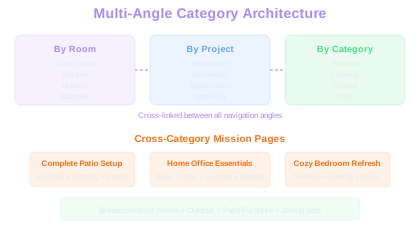
Organize your primary navigation around how shoppers think about their homes: by room (Living Room, Bedroom, Kitchen, Bathroom, Outdoor), by project type (Renovation, Decoration, Organization, Gardening), and by product category (Furniture, Lighting, Textiles, Tools, Plants). Allow shoppers to enter your catalog from any of these angles, with cross-linking between them.
Create subcategory depth that matches search specificity. Under Outdoor Furniture, create distinct pages for Patio Dining Sets, Outdoor Lounge Chairs, Garden Benches, Outdoor Storage, and Outdoor Cushions. Each should target its own keyword cluster and contain unique introductory content describing the subcategory.
Implement BreadcrumbList schema on every page so Google understands your hierarchy. Breadcrumbs like Home > Outdoor > Patio Furniture > Dining Sets improve both search visibility and user navigation.
Build cross-category collection pages for common shopping missions. A page for "Complete Patio Setup" might pull products from outdoor furniture, outdoor lighting, planters, and outdoor textiles. A "Home Office Essentials" page combines desks, chairs, lighting, and storage from different categories. These mission-based pages target composite queries that single-category pages cannot capture.
Add rich category descriptions (150-300 words) that describe the collection, mention key product attributes shoppers care about (materials, styles, size ranges, price ranges), and naturally incorporate target keywords. Avoid thin category pages that show only a product grid with no supporting content.
Implement smart internal linking within and between categories. A dining table product page should link to matching dining chairs. A power drill page should link to drill bit sets and workbenches. This ecosystem-based linking improves crawl efficiency, distributes authority, and drives cross-selling.
Mission Pages Win
Cross-category pages like "Complete Patio Setup" or "Home Office Essentials" pull products from multiple categories and target composite queries that single-category pages cannot capture alone. These mission-based pages often rank for competitive multi-product terms.
Free Tools & Resources
Try our free SEO tools
Work Together With SEO Experts who understand ecommerce
World’s first Ecom-founded SEO agency