Search Fundamentals
10 min readSearch Intent for Ecommerce
Every search query has a purpose behind it, and Google is exceptionally good at figuring out what that purpose is. When you align your pages with the right type of intent, you rank higher and convert better. When you get it wrong, even perfect on-page SEO won't save you.
In this guide
What Search Intent Means for Online Stores
Search intent is the reason someone types a query into Google. Are they looking for a specific brand? Researching a product category? Comparing options? Ready to buy? Google classifies every query into an intent category, and it serves results that match that classification.
For ecommerce, intent is everything. A page that matches user intent gets higher click-through rates, longer time on site, and better conversion rates. Google tracks these engagement signals and rewards pages that satisfy what searchers actually want. A product page ranking for an informational query will get skipped over in results, and a blog post ranking for a transactional query won't convert.
The practical impact is significant. Stores that map their pages to the correct intent see 40-60% higher organic click-through rates compared to those that don't. Understanding intent also prevents you from wasting effort. There's no point optimizing a product page for a query where Google exclusively shows blog posts and guides. This concept is closely tied to keyword research for ecommerce, where intent analysis shapes your entire strategy.
CTR Impact
Stores that correctly match page types to search intent see 40-60% higher organic click-through rates. Mismatched intent is one of the most common reasons ecommerce pages underperform in search.
The Four Types of Search Intent
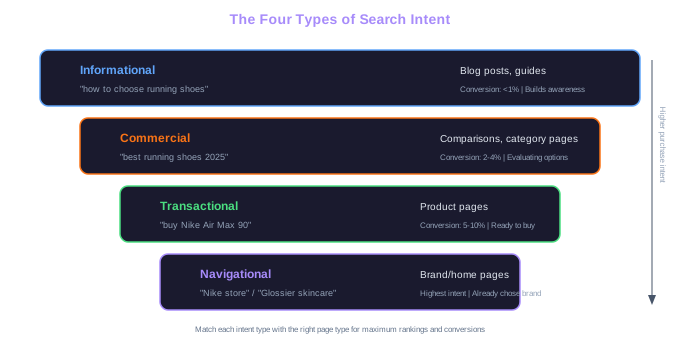
Google's quality rater guidelines identify four primary intent types, and each one maps directly to specific page types in your store.
Navigational intent is when someone searches for a specific brand or website. Queries like "Nike running shoes" or "Glossier skincare" signal that the user already knows what they want and is looking for that particular brand. These queries typically have high conversion rates because the user has already decided on the brand.
Informational intent covers queries where the user wants to learn something. "How to choose running shoes" or "best skincare routine for oily skin" are informational queries. These users aren't ready to buy yet, but they represent the top of your funnel. Blog posts, buying guides, and educational content serve this intent.
Commercial investigation intent sits between informational and transactional. The user is researching before buying. "Best running shoes 2025" or "Cerave vs Cetaphil moisturizer" show that someone is comparing options. Category pages, comparison content, and review roundups match this intent.
Transactional intent means the user is ready to purchase. "Buy Nike Air Max 90" or "Cerave moisturizer price" signal buying readiness. Product pages, category pages with buy buttons, and deal pages serve transactional intent.
Matching Page Types to Intent
The key to intent optimization is serving the right page type for each query. Google's algorithm has strong opinions about this, and fighting against them is a losing battle.
For transactional queries, product pages and well-structured category pages perform best. These pages should have clear pricing, availability status, add-to-cart buttons, and product specifications. When someone searches "buy organic cotton t-shirt", they want to land on a page where they can actually purchase one, not read a 2,000-word article about organic cotton.
For commercial investigation queries, you need content that helps users compare and evaluate. Category pages with filtering options, comparison tables, and curated product roundups all work well. A query like "best wireless earbuds under 100" performs best with a page that lists and compares multiple options with pros and cons.
For informational queries, blog posts, buying guides, and FAQ content are your best assets. These pages should be thorough and genuinely helpful. A query like "how to measure ring size at home" needs a detailed guide, not a product listing page.
Check the current top 10 results for your target keyword before creating content. If Google shows 8 blog posts and 2 category pages, creating a product page for that query is unlikely to rank. Match the dominant page type in the results.
How to Identify Intent from SERPs
The most reliable way to determine search intent is to look at what Google already ranks for a query. Google has billions of data points on user behavior, and the results it shows reflect what satisfies searchers.
Search for your target keyword and examine the top 10 results. Look at the types of pages ranking: are they product pages, category pages, blog posts, or comparison articles? If 7 out of 10 results are blog posts, Google has classified that query as primarily informational. If all results are product and category pages, it's transactional.
Also pay attention to SERP features. Shopping ads and product carousels indicate transactional intent. Featured snippets and People Also Ask boxes suggest informational intent. Local packs indicate local intent, which matters for stores with physical locations.
Watch for mixed intent queries where Google shows different content types. "Running shoes" might show a mix of category pages, reviews, and brand pages because the intent is ambiguous. For these queries, you might rank with multiple page types targeting different aspects of the query.
Create a simple spreadsheet with three columns: keyword, dominant intent, and recommended page type. Classify your top 50-100 target keywords this way before building your content plan. It takes an afternoon and prevents months of misaligned content creation.
Intent Mapping Across the Buyer Journey
Search intent maps directly to the buyer journey, and understanding this connection helps you capture customers at every stage.
At the awareness stage, users search informational queries. Someone typing "what thread count means for sheets" doesn't know which sheets they want yet. Your blog content captures these users and introduces them to your brand. While these queries rarely convert directly, they build familiarity and trust.
At the consideration stage, users shift to commercial investigation queries. "Best Egyptian cotton sheets" or "Brooklinen vs Parachute sheets" shows they're narrowing down options. Your comparison content and well-organized category pages capture this traffic. Conversion rates at this stage typically run 2-4%, and these users often return later to purchase.
At the decision stage, users search transactional queries. "Buy Brooklinen luxe core sheet set king" is a user ready to purchase right now. Your product pages need to be optimized to capture and convert this high-value traffic. Conversion rates for transactional queries often hit 5-10% for well-optimized product pages.
The smart move is to build internal links between these content types, creating a path from awareness content through comparison content to product pages. This keeps users in your ecosystem as they move through their buying journey. Understanding the balance between buyer intent vs search volume helps you decide which stage to prioritize.

Common Intent Mistakes in Ecommerce
The most frequent mistake we see is trying to rank a product page for an informational query. If someone searches "how to choose a mattress", they don't want to land on a single mattress product page. They want a guide that explains firmness levels, materials, and sleeping positions. Your product page will never outrank a comprehensive guide for that query.
The second common mistake is ignoring commercial intent entirely. Many stores have product pages and blog posts but nothing in between. They miss all the "best", "top", "review", and "vs" queries that represent users who are nearly ready to buy. Adding comparison content and curated category pages fills this gap.
Another mistake is keyword cannibalization through intent mismatch. If you have both a category page and a blog post targeting "organic baby clothes", Google has to choose which one to rank. If the intent is primarily transactional, the blog post may be cannibalizing your category page. Audit your content to ensure only one page targets each primary intent for a given keyword.
Finally, don't assume intent is static. Seasonal shifts change intent dramatically. "Valentine's gifts" is informational in November but becomes increasingly transactional as February approaches. Adjust your content strategy to match these shifting patterns. Our ecommerce SEO keywords guide covers how to identify and prioritize the right terms for each intent type.
Free Tools & Resources
Try our free SEO tools
Work Together With SEO Experts who understand ecommerce
World’s first Ecom-founded SEO agency